Understanding the Greasing Process for Outer and Inner Axles
Greasing is an essential maintenance task that can dramatically improve your vehicle's performance and lifespan. Many drivers often overlook this crucial step, yet proper greasing of outer and inner axles is pivotal for smooth operation. In this post, we will explore the greasing process, why it matters, and how to carry it out effectively.
What Are Axles and Why Are They Important?
Axles are key components in a vehicle's drivetrain. They act as the central shaft for rotating wheels and share power from the engine to those wheels. There are two primary types of axles: outer and inner.
The outer axle connects the wheel hub to the differential, while the inner axle links the differential to the transmission. Each axle plays a crucial role in ensuring your vehicle runs smoothly. In fact, studies indicate that well-maintained axles can improve fuel efficiency by as much as 10%.
Without regular maintenance, axles can wear down quickly, leading to expensive repairs and decreased vehicle performance.
The Importance of Greasing Axles
Greasing axles is vital for several reasons:
Reduces Friction: Grease acts as a lubricant, minimising friction between moving parts. This helps prevent wear and tear, allowing the axles to function efficiently.
Prevents Corrosion: Grease forms a barrier against moisture and contaminants, which are common causes of rust and corrosion. This protection is crucial in areas with heavy rainfall or freezing temperatures.
Enhances Performance: Properly greased axles help improve handling and vehicle stability, making for a safer driving experience.
Extends Lifespan: Regular greasing can notably extend axle lifespan—some estimates show that proper maintenance can increase the life of an axle system by up to 50%.
Tools and Materials Needed for Greasing
Before starting the greasing process, ensure you have the following tools and materials ready:
Grease gun: This is essential for applying grease.
Appropriate grease: Check your vehicle's manual for specifications. Most vehicles require lithium-based grease.
Clean rags: Useful for cleaning grease fittings.
Jack and jack stands: Necessary for lifting your vehicle safely.
Safety goggles and gloves: Protect yourself while working.
Having the right tools ensures a smoother and more efficient process.
Step-by-Step Greasing Process
Step 1: Prepare the Vehicle
Start by parking the vehicle on a flat surface and turning off the engine. If needed, use a jack to lift the vehicle and secure it with jack stands. Safety is your top priority when working under a car.
Step 2: Locate the Grease Fittings
Find the grease fittings on both the outer and inner axles. These fittings are usually small metal nipples where the grease is injected. If you’re unsure where to find them, consult your vehicle's manual.
Step 3: Clean the Grease Fittings
Before applying new grease, clean the grease fittings with a clean rag. This step is crucial as it removes any dirt or debris that could spoil the new grease.
Step 4: Apply Grease
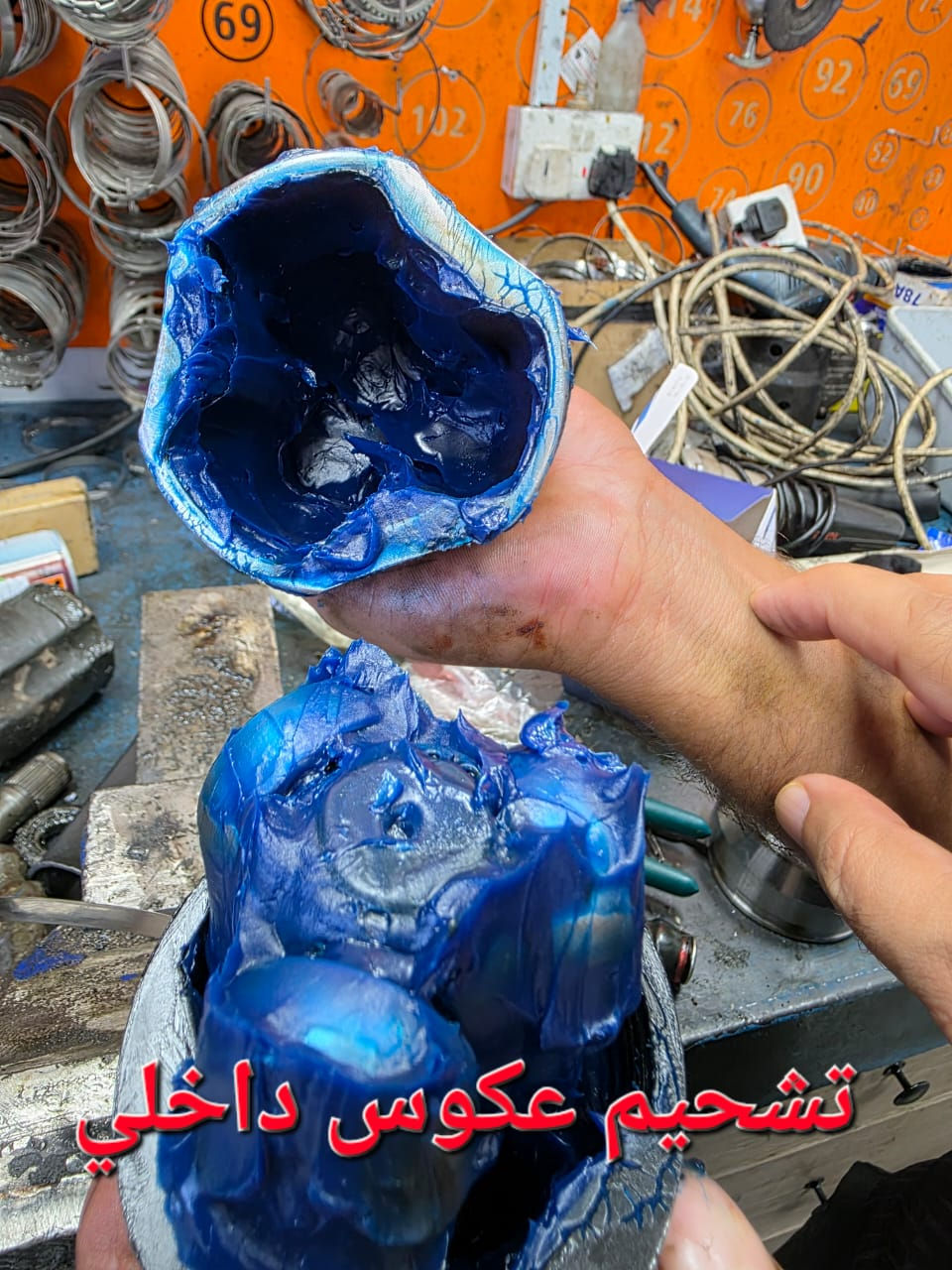
Attach the grease gun to the fitting and pump the handle to inject grease into the axle. You should see the old grease being pushed out. This indicates that the fresh grease is taking its place.
Be cautious—over-greasing can create pressure and damage seals. A few pumps should be enough.
Step 5: Repeat for All Fittings
Ensure you repeat the greasing process for all grease fittings on both the outer and inner axles to ensure everything is well-lubricated.
Step 6: Clean Up
After you finish greasing, remove the grease gun and clean any excess grease from the fittings. This helps prevent dirt buildup and keeps the area tidy.
Step 7: Lower the Vehicle
If you lifted the vehicle, carefully lower it back to the ground. Double-check that everything is secure before starting the engine.
Frequency of Greasing
How often should you grease your axles? It largely depends on driving conditions and vehicle usage. As a general guideline, you should grease the axles every 5,000 to 10,000 miles or during routine maintenance checks.
If you frequently encounter rough terrain or wet conditions, consider greasing more often to keep your axles in peak condition.
Common Mistakes to Avoid
Neglecting to Clean Fittings: Always clean grease fittings before introducing new grease to avoid contamination which could dull the grease's effectiveness.
Over-Greasing: Excessive grease can cause pressure buildups that may blow out seals. Only use the amount necessary to ensure proper lubrication.
Ignoring Signs of Wear: Watch for unusual noises or handling issues, as these may signal that your axles require immediate attention. Regular visual inspections can help catch issues early.
Final Thoughts
Understanding the greasing process for outer and inner axles is essential for maintaining your vehicle's performance and extending its lifespan. Regular greasing reduces friction, prevents corrosion, and improves handling.
By following the outlined steps and avoiding common mistakes, you can keep your axles in excellent condition. Remember, consistent maintenance can lead to a smoother, safer driving experience. It's time to grab your tools and start greasing those axles today!


Comments